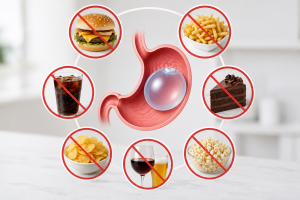
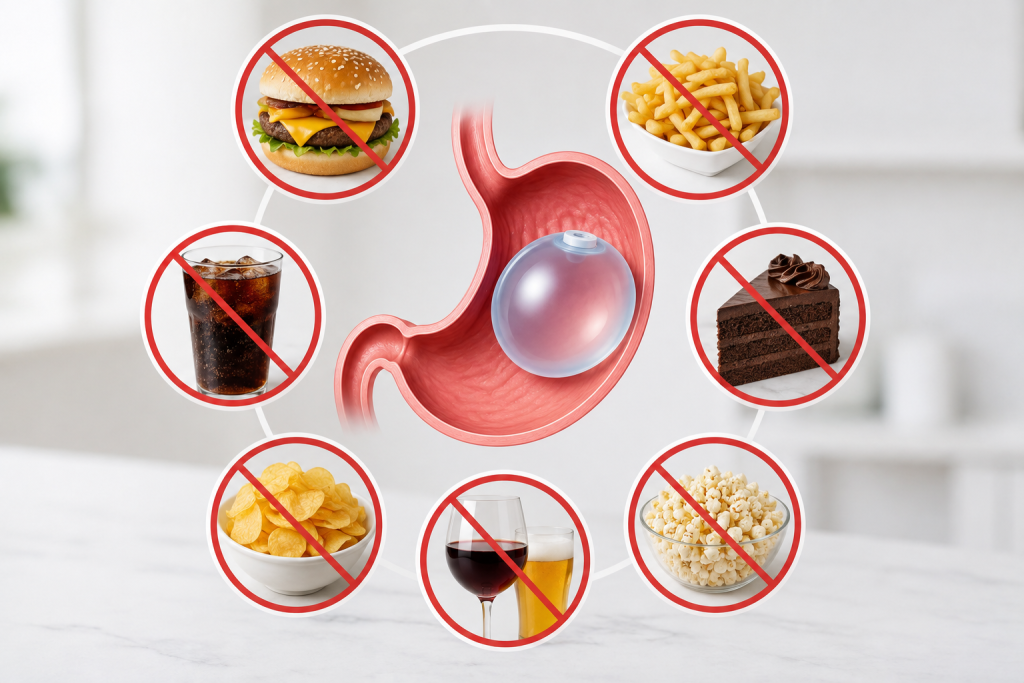
Following the gastric balloon, What Foods to Avoid With a Gastric Balloon? It is recommended to strictly avoid or minimize fizzy drinks, fried and high-fat foods, sugary drinks and desserts, heavily spiced foods and foods that are hard to digest. For the first few days after placement, only liquid foods are allowed, and gradually food is introduced.
Because recovery schedules vary according to balloon type, as well as clinic, each individual gastric balloon diet plan should be based on your doctor’s or dietitian’s advice.
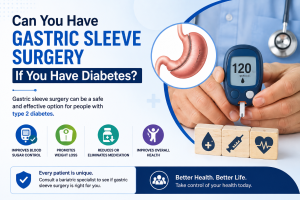
When comparing a balloon and weight-loss surgery, you would also need to ask questions like can you get pregnant after gastric sleeve surgery, because the stomach does not stay the same after the gastric sleeve procedure is performed.
What Foods Should You Avoid With a Gastric Balloon?
There are foods that exacerbate symptoms and other foods that help to eat more calories than planned.
| Food or drink | Why limit it? | Better option |
| Carbonated drinks | May contribute to bloating and discomfort | Still water |
| Fried or fatty meals | May worsen nausea or reflux | Grilled or baked foods |
| Sugary drinks and desserts | High calories with limited fullness | Lower-sugar choices |
| Tough or dry foods | May be difficult to tolerate | Soft, moist protein |
| Strongly spiced foods | May aggravate reflux in some people | Mildly seasoned meals |
North Tees & Hartlepool NHS guidance suggests that during the early recovery phase, carbonated drinks should be avoided and rich, fatty and strongly spiced foods restricted. Avoiding dry meat after balloon insertion can also be difficult for some and Chelsea and Westminster NHS also suggest that some people need to have some time off without food like bread, rice or pasta afterward.
This isn’t to say that all of the foods listed should never be eaten again. Individual tolerance matters.
Foods to Avoid After Gastric Balloon Placement: The First Few Weeks
The foods to avoid after a gastric balloon will vary according to your stomach’s adaptation.
According to the Mayo Clinic, you should introduce small amounts of clear liquids, then soft foods towards the end of the second week and normal foods at the end of the third week in their program. Other clinical protocols may progress more quickly.
That is why it is better to follow your clinic’s timetable than a generic schedule that you find online.
A standard gastric balloon recovery diet becomes a three-step plan that consists of:
- Liquids
- Mashed or extremely soft foods
- Soft-textured meals
- Healthy diet as tolerated with regular frequency (as needed throughout the day)
Delaying the introduction of solids may make discomfort worse.
How You Eat Matters as Much as What You Eat
It is crucial that you know what to eat after a gastric balloon, but it’s not sufficient. Eating too fast or eating too much after you have started to feel full may cause nausea, pain or vomiting.
If it causes any discomfort to eat (or the person eats poorly):
- Eat small portions, chewing well.
- Take time to eat slowly.
- Always be adapted to the fullness; stop at the first sign of feeling full.
- Use smaller portions.
- Do not lie down right after you eat.
These behaviors are also promoted in the advice for diets provided in the NHS for gastric balloons.
Look for a treatment package that comes with a dietitian and medical follow-up instead of comparing costs when searching for the best gastric balloon turkey to evaluate turkey treatment options.
Don’t Apply Gastric Sleeve Rules to a Gastric Balloon
Balloon and sleeve patients can be given radically different advice.
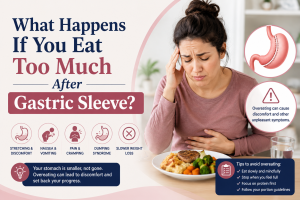
If you have gastric sleeve surgery and what happens if you eat too much after gastric sleeve , then what happens is related with that smaller stomach; providing the answer to how long before you can fly after gastric sleeve surgery would be related to the post surgery recovery. These should not be relied upon to replace your gastric-balloon aftercare guidance.
Bottom Line
Therefore, what foods should you avoid with a gastric balloon? First of all, try and drink fewer fizzy drinks, fried and fatty foods, high-sugar foods and drinks, foods that are very spicy and anything that causes discomfort more than once. Diet in early recovery, stick to liquid to solid three stages as a scheduled diet progression, do not make the transition all at once to regular meals.
Any procedure for stomach ballooning or other non-surgical weight loss will not suit all patients, cannot be viewed as bariatric surgery turkey for patients who are not nutritionally solid, or even for patients that they don’t have good support and guidance following the stomach balloon insertion.
Frequently Asked Questions
Can I eat normal food with a gastric balloon?
Yes, typically, with clinical progression through the phase of liquid and soft food diet. Patients can normally resume a normal diet during the balloon programme at about three weeks after the procedure, according to Mayo Clinic.
Can I drink fizzy drinks with a gastric balloon?
Soda is often avoided as it can cause bloating and/or discomfort. NHS advice on recovery from gastric balloon procedure states that it is advisable to refrain from carbonated drinks.
Can I eat bread, rice and pasta?
Possibly. These are not always contraindicated, but some patients cannot tolerate them. Gastric-balloon insertion might have restraints when eating bread, rice and pasta, according to Chelsea and Westminster NHS.
What if I keep vomiting after a gastric balloon?
Some nausea and vomiting may occur shortly after the placement, but if they continue, especially if they are combined with abdominal pain, talk with your health care provider ASAP. Although rare, serious problems can occur.
Medical Disclaimer – This is a general article of information only. The doctors and registered dietitian who prescribe the gastric balloon should create your diet and recovery plan.