🔒 Your information is 100% confidential and never shared with third parties.
Istanbul has become one of the most preferred cities for those considering gastric sleeve surgery. With experienced surgeons, modern hospitals, and affordable prices, it’s easy to see why so many people choose to start their weight loss journey here.
Compared to many other countries, gastric sleeve surgery in Istanbul offers excellent quality at a much lower cost. From internationally trained surgeons to well-equipped hospitals, everything is designed to provide safe and comfortable care.
Everything from your first consultation to your last follow-up, arranged by our dedicated patient coordinators. No hidden fees, no surprises.
Gastric sleeve surgery, also known as sleeve gastrectomy, is one of the most popular weight loss procedures. It involves removing a large portion of the stomach, creating a sleeve-shaped pouch. This helps reduce hunger and limits food intake, leading to significant weight loss. It’s a minimally invasive procedure with a quick recovery time, making it an excellent choice for many patients.
Istanbul, Turkey • University hospital • Board-certified team
Cost
€1,950
Istanbul, Turkey • University hospital • Board-certified team
Cost
€2,550
Mini gastric bypass (MGB) is a simplified version of traditional gastric bypass surgery. It involves creating a small stomach pouch and connecting it directly to a portion of the small intestine, bypassing a larger part of the digestive system. This procedure helps limit both food intake and nutrient absorption, resulting in significant weight loss.
Istanbul, Turkey • University hospital • Board-certified team
Cost


Speak with our patient coordinator to discuss your goals and medical history.
Our surgeons review your case and recommend the best procedure for you.
We arrange everything — transfers, hotel, and hospital check-in on arrival.
Your procedure and 2–3 night hospital stay, followed by hotel recovery support.
12-month support plan with dietitian access and regular virtual check-ins.
IstanbulSleeve offers world-class medical facilities, experienced bariatric surgeons, and affordable all-inclusive packages, making Turkey a top destination for weight loss procedures.
Our all-inclusive weight loss surgery package typically covers your surgeon’s fees, hospital stay, anesthesia, pre-operative evaluations, surgery, post-operative care, medications during hospitalization, and follow-up appointments. Depending on the package, it may also include airport transfers, hotel accommodation, and a dedicated patient coordinator. Contact us for a detailed breakdown of what’s included.
Yes, gastric sleeve surgery in Istanbul is generally considered safe when performed by experienced bariatric surgeons in accredited hospitals. Many clinics follow international medical standards, use modern surgical techniques, and provide comprehensive pre-operative assessments and post-operative care. Choosing a reputable clinic with qualified specialists and positive patient reviews is essential to ensure the best possible outcome and a smooth recovery.
Most patients recover from gastric sleeve surgery within 2 to 4 weeks, although light activities can usually be resumed after 1 to 2 weeks. Recovery time varies depending on your overall health and how well you follow your surgeon’s post-operative instructions. A gradual return to a normal diet and regular follow-up appointments help support a safe and successful recovery.
Turkey offers a range of effective weight loss procedures, including gastric sleeve surgery, gastric bypass, mini gastric bypass, gastric balloon, and revision bariatric surgery. The most suitable option depends on your body mass index (BMI), medical history, weight loss goals, and your surgeon’s recommendation after a thorough evaluation.
Yes. After gastric sleeve surgery, you’ll follow a staged diet that begins with clear liquids, progresses to pureed and soft foods, and eventually returns to solid meals. Your healthcare team will provide a personalized nutrition plan to support healing, ensure proper nutrient intake, and help you achieve long-term weight loss success.
Lorem ipsum dolor sit amet, consectetur adipiscing elit. Ut elit tellus, luctus nec ullamcorper mattis, pulvinar dapibus leo.
Like any surgical procedure, gastric sleeve surgery carries some risks, including bleeding, infection, blood clots, leakage from the stomach, and reactions to anesthesia. However, serious complications are uncommon when the procedure is performed by an experienced bariatric surgeon. Following your surgeon’s instructions before and after surgery can help reduce these risks and support a smooth recovery.
Most patients stay in the hospital for 2 to 3 days after gastric sleeve surgery in Istanbul. During this time, your medical team monitors your recovery, manages pain, and ensures you can safely begin drinking fluids before discharge. Your surgeon will provide detailed aftercare instructions and schedule follow-up appointments to support your recovery.
Yes, many people with health conditions such as type 2 diabetes, high blood pressure, sleep apnea, or obesity-related joint pain may still be eligible for gastric sleeve surgery. Your surgeon will review your medical history, perform the necessary tests, and determine whether the procedure is safe for you. In many cases, weight loss after gastric sleeve surgery can help improve or even resolve these conditions.
After gastric sleeve surgery, you’ll typically stay in the hospital for 2–3 days for monitoring and recovery. Before returning home, your medical team will provide a personalized diet plan, medication instructions, and follow-up guidance. Most patients can resume light daily activities within 1–2 weeks, while full recovery takes a few weeks. Ongoing aftercare and regular check-ups help support long-term weight loss success.
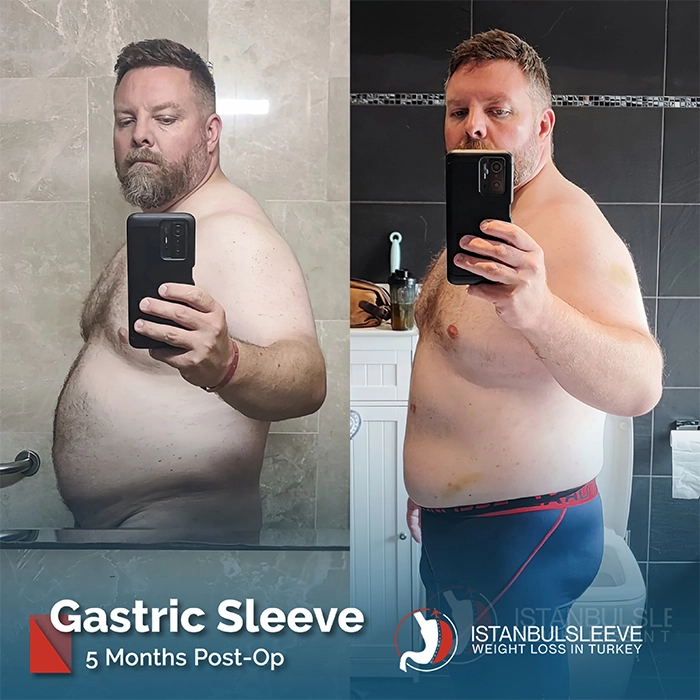
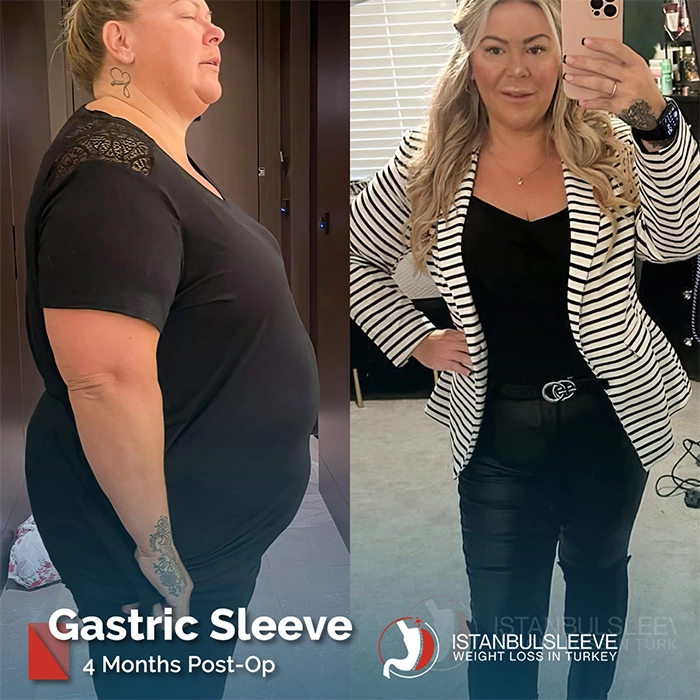
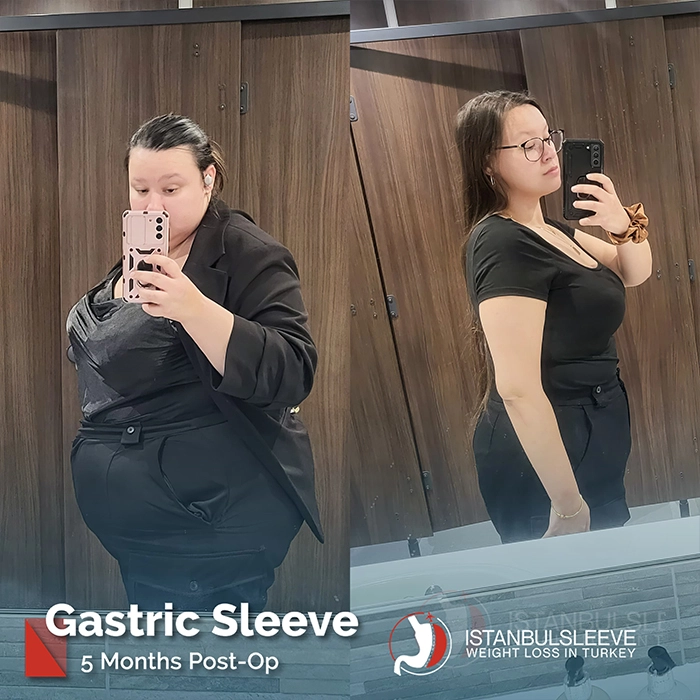
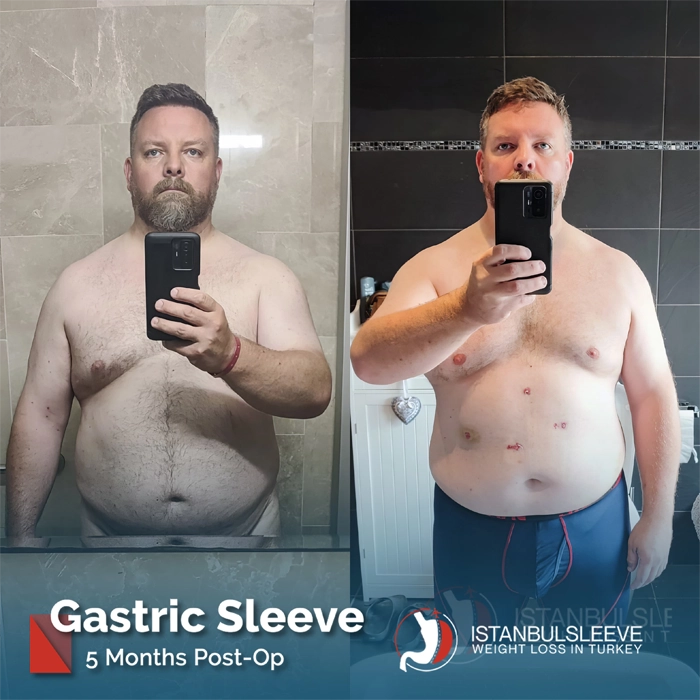
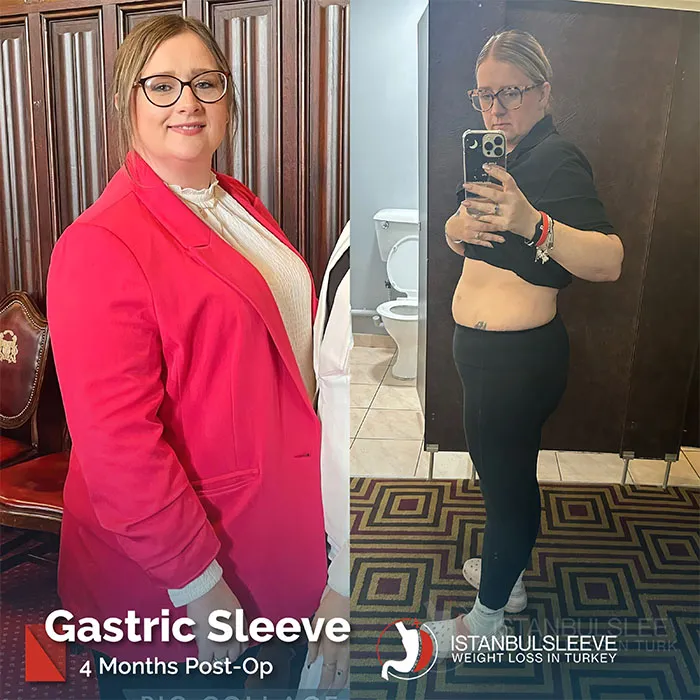
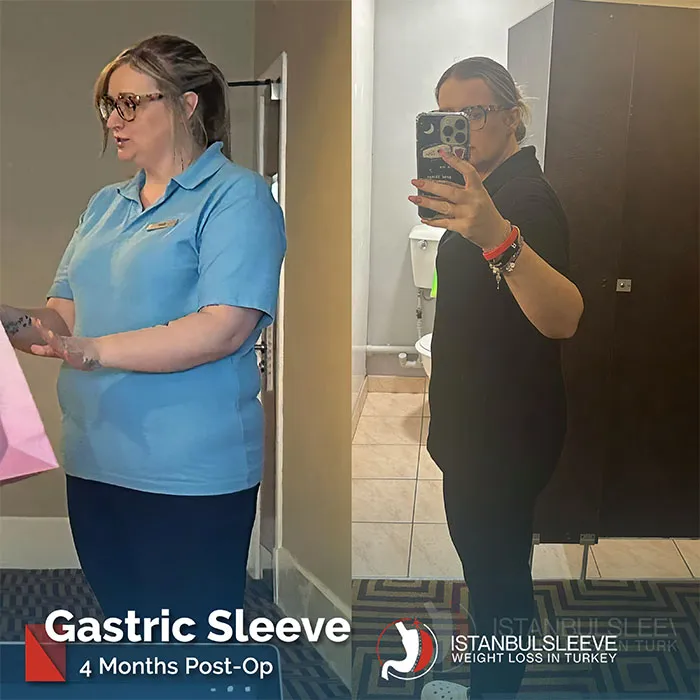
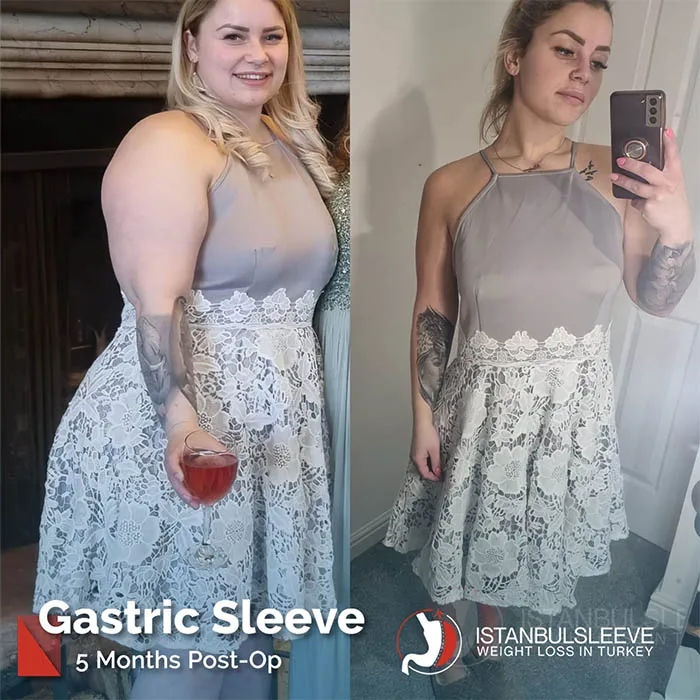
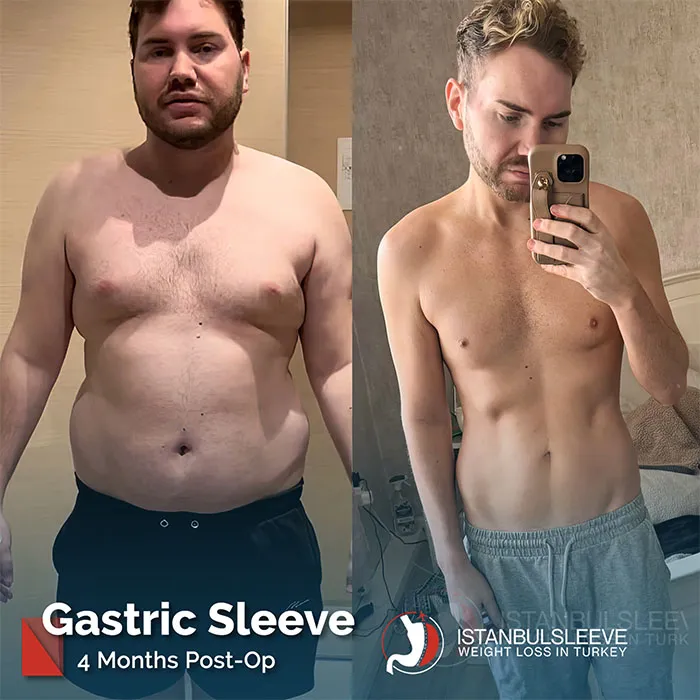
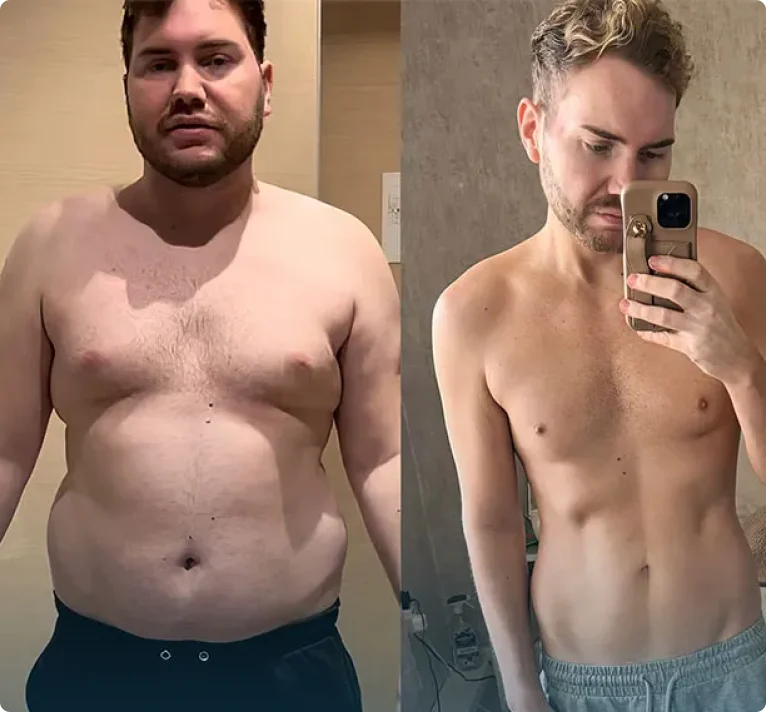
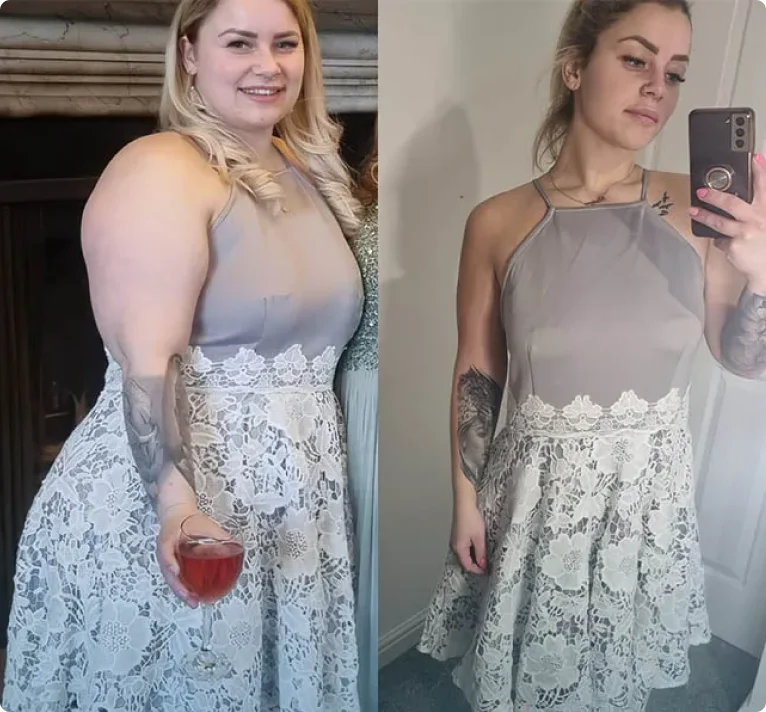
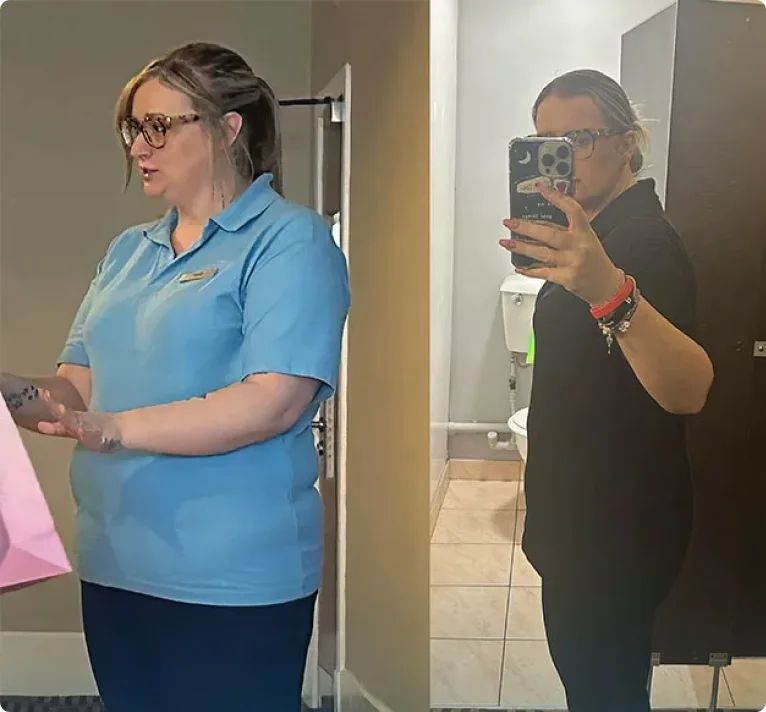
Look for a board-certified bariatric surgeon with extensive experience in gastric sleeve procedures, positive patient reviews, and a proven track record of successful outcomes. It’s also important to choose a clinic that offers comprehensive pre-operative assessments, modern facilities, and long-term aftercare. Reviewing before-and-after results and scheduling a consultation can help you make an informed decision.