Deciding to undergo gastric bypass surgery is a life-changing choice. But once the decision is made, most patients immediately wonder: How long will it take to recover? Understanding the gastric bypass surgery recovery timeline helps you prepare mentally, arrange support, and set realistic expectations for your weight loss journey.
Recovery isn’t just about healing from surgery—it’s about adapting to a new stomach, new eating habits, and a new way of life. Here’s what you can expect from the moment you wake up in recovery to your first year post-op.
Immediate Recovery: The First 24–48 Hours
Gastric bypass, also known as Roux-en-Y gastric bypass, is typically performed laparoscopically using small incisions. This minimally invasive approach significantly reduces recovery time compared to open surgery.
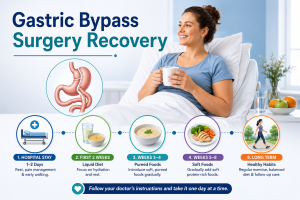
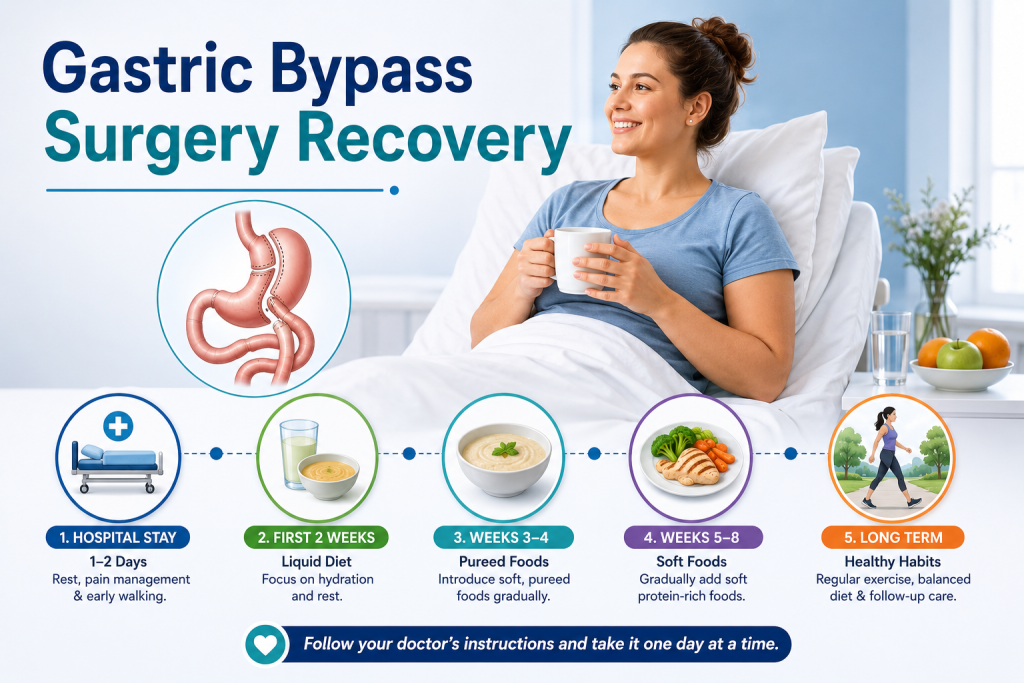
Most patients spend one to three days in the hospital. During this time, your medical team will monitor you for complications like bleeding, leaks, or blood clots. You won’t eat solid food immediately. Instead, you’ll start with clear liquids to ensure your new stomach pouch heals properly.
Pain management is a priority. You’ll receive medication to keep discomfort under control, though many patients report that the pain is less severe than anticipated—more like soreness from an intense workout than sharp surgical pain.
Walking is encouraged within hours of surgery. It might feel counterintuitive, but getting up and moving stimulates circulation, reduces clot risk, and helps your bowels wake up from anesthesia.
Explore More: What happens if you eat too much after gastric sleeve
The First Two Weeks: Adjusting to Your New Normal
Once home, the real adjustment begins. The first two weeks after gastric bypass are often the most challenging, not because of pain, but because of the dramatic lifestyle shift.
Diet progression matters. You’ll follow a strict liquid diet, gradually moving to pureed foods. Your stomach pouch now holds only about an ounce—roughly the size of an egg. Eating or drinking too quickly causes nausea, vomiting, or painful dumping syndrome.
Most people need one to two weeks off work during this phase. You won’t be bedridden, but you’ll feel fatigued as your body adjusts to reduced calorie intake. Hydration becomes a full-time job. Sipping water throughout the day prevents dehydration, which is a common reason for post-op ER visits.
Incisions heal quickly—usually within 7–10 days. You can shower after 48 hours, but soaking in baths or swimming should wait until your surgeon clears you.
View More: best gastric balloon turkey
Weeks 3–6: Building Strength and Routine
By week three, many patients notice their energy improving. You can typically begin introducing soft, textured foods under your dietitian’s guidance. Protein becomes your nutritional priority. Aim for 60–80 grams daily to support healing and maintain muscle mass during rapid weight loss.
Light walking should continue, but hold off on strenuous exercise. Your internal stitches and staple lines are still healing. Heavy lifting—anything over 10–15 pounds—is off-limits to prevent hernias or internal injury.
This period often brings emotional ups and downs. The “honeymoon phase” of rapid weight loss feels exciting, but adjusting to social situations around food can feel isolating. Support groups, whether online or in-person, become invaluable.
Most patients can return to desk jobs around weeks 2–3, but physically demanding work may require 4–6 weeks of recovery time.
Months 2–6: Finding Your Rhythm
Between two and six months post-surgery, your body settles into a new rhythm. By now, you’re likely eating small portions of regular food, though you’ll always need to prioritize protein and avoid empty calories.
Exercise intensity can increase. Many surgeons clear patients for strength training, swimming, and cardio around the 6–8 week mark, though individual clearance varies. Listen to your body—dizziness or fatigue means you need more time.
This phase is critical for establishing habits that last a lifetime. Your rapid weight loss may slow, which is normal and expected. Focus on non-scale victories: improved mobility, better sleep, reduced medications, and higher energy.
Long-Term Recovery: The First Year and Beyond
Gastric bypass recovery doesn’t end at six weeks. True adaptation takes 12–18 months. Your body undergoes significant metabolic, hormonal, and physical changes during this time.
Nutritional deficiencies are a real risk after gastric bypass because your body absorbs fewer nutrients. You’ll need lifelong supplementation with multivitamins, calcium, vitamin D, and possibly B12 and iron. Regular blood work—typically every 3–6 months during year one—catches deficiencies early.
Skin changes are common. Rapid weight loss often leaves loose skin, which may cause chafing or hygiene challenges. While some skin tightening happens naturally over 1–2 years, many patients consider body contouring surgery after maintaining their goal weight for 12 months.
Factors That Affect Recovery Time
Not everyone heals at the same pace. Several variables influence your personal gastric bypass recovery timeline:
- Surgical approach: Laparoscopic recovery is faster than open surgery.
- Pre-existing conditions: Diabetes, sleep apnea, or heart disease may slow healing.
- Age: Younger patients often recover quicker than older adults.
- Pre-op health: Patients who were active and nutritionally prepared before surgery tend to bounce back faster.
- Compliance: Following post-op guidelines strictly leads to smoother recoveries.
Warning Signs: When to Call Your Doctor
While complications are rare, knowing warning signs saves lives. Contact your surgeon immediately if you experience:
- Fever over 101°F
- Severe abdominal pain or chest pain
- Persistent vomiting or inability to keep fluids down
- Redness, warmth, or pus at incision sites
- Leg pain or swelling (possible blood clot)
- Rapid heartbeat or difficulty breathing
Tips for a Faster, Smoother Recovery
Want to optimize your healing? Here’s what successful patients do:
- Prepare your home before surgery. Stock up on broth, sugar-free popsicles, and protein shakes.
- Walk daily. Even five-minute walks speed recovery.
- Prioritize protein and fluids. Set phone reminders if needed.
- Sleep elevated. It reduces acid reflux and incision pressure.
- Attend all follow-ups. Your team catches issues before they become serious.
- Join a community. Other patients understand your journey better than anyone.
The Bottom Line
Gastric bypass surgery recovery time varies by individual, but most patients resume normal daily activities within 2–4 weeks and feel significantly recovered by 6–8 weeks. However, the full physical and metabolic adjustment takes 12–18 months.
The recovery isn’t always linear. Some days you’ll feel energized; others, you’ll wonder if you made the right choice. That’s normal. What matters is consistency—following your medical team’s guidance, nourishing your new stomach, and giving yourself grace during the transformation.
Weight loss surgery isn’t a quick fix. It’s a powerful tool that requires commitment. But for those who embrace the process, the recovery period becomes just the beginning of a healthier, more active life.