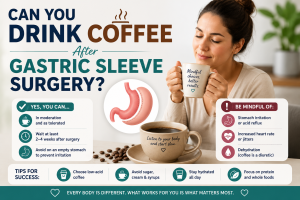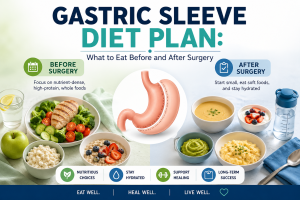

Patients need to adjust their meal and fluid intake after gastric sleeve surgery during the recovery period. A common question that arises shortly after the procedure is whether you can drink coffee after gastric sleeve surgery. The short answer is yes, but not right away. Caffeinated coffee is generally restricted during the initial phase of bariatric recovery because it can lead to dehydration, stomach irritation and worsened acid reflux. For patients who choose bariatric surgery turkey at Istanbul Sleeves, personalized guidance on when to reintroduce coffee is always provided as part of the post-operative care plan.
Why Coffee Is Restricted After Gastric Sleeve Surgery
After sleeve gastrectomy, you have a smaller stomach and your body is actively recovering from the surgical procedure. Fluid intake and tissue repair are the first priorities during this phase. Caffeine found in coffee can interfere with recovery in several ways:
- It increases the risk of dehydration when fluid consumption is already limited.
- The high acid content of coffee irritates the stomach lining.
- It can cause stomach pain or worsen acid reflux.
- It suppresses hunger, making it more difficult to consume adequate protein and nutrition.
Understanding these risks helps patients make informed decisions about when and how to reintroduce coffee safely after their procedure.
When Can You Drink Coffee Again After Gastric Sleeve?
The timeline varies depending on each individual bariatric program and the pace of your personal recovery. Most programs recommend waiting approximately 4 to 6 weeks, or until the stomach has healed and hydration requirements are consistently met. If you have not yet reached a comfortable daily water intake or are still having difficulty tolerating regular foods, coffee should not be reintroduced yet. Patients who want to understand the full financial and care picture of their recovery should also look into the gastric sleeve cost by state to plan for post-operative support and follow-up appointments.
Start with a small amount rather than returning to multiple cups per day, and only do so after your bariatric team has confirmed it is safe for your specific situation.
Regular Coffee vs. Decaffeinated Coffee After Gastric Sleeve
If you are eager to return to coffee sooner, ask your health care provider whether decaffeinated coffee might be appropriate for your stage of recovery. Some bariatric programs permit decaf earlier than regular coffee because of its significantly lower caffeine content. However, even decaffeinated coffee contains acid and should be introduced in small amounts with careful attention to how your body responds. Never reintroduce decaf without guidance from your bariatric team.
| Factor | Regular Coffee | Decaffeinated Coffee |
| Caffeine content | High | Very low |
| Acidity | High | Moderate to high |
| When permitted | 4 to 6 weeks or later | Sometimes earlier with team approval |
| Risk of dehydration | Higher | Lower |
| Recommendation | Wait for surgeon clearance | Consult bariatric team first |
Tips for Reintroducing Coffee Safely After Gastric Sleeve Surgery
Once your bariatric team confirms you are ready to reintroduce coffee, follow these steps to do it safely:
- Start with a small cup rather than a full serving.
- Avoid drinking coffee on an empty stomach.
- Choose plain black coffee or low-sugar, low-fat options rather than syrups or whipped cream.
- Prioritize water and protein intake before adding caffeine back into your routine.
- Stop drinking coffee immediately and speak to your surgeon if it worsens reflux, causes nausea or creates any discomfort.
Common Mistakes to Avoid When Reintroducing Coffee
Many patients inadvertently slow their healing by making avoidable mistakes during the coffee reintroduction phase. These mistakes are similar in nature to the habits that can affect long-term outcomes after surgery, such as those discussed in the guide on Can Your Stomach Stretch Again After Gastric Sleeve? because both topics relate to how daily choices affect recovery and long-term results.
Common mistakes include:
- Resuming coffee too soon after surgery before the stomach has adequately healed.
- Replacing water with caffeinated drinks, which leads to inadequate hydration.
- Choosing specialty coffees that are high in sugar, calories and fat.
- Ignoring new symptoms such as heartburn, indigestion or stomach discomfort after drinking coffee.
Frequently Asked Questions About Coffee After Gastric Sleeve Surgery
Can you drink coffee after gastric sleeve surgery?
Yes, but not immediately. Most bariatric programs advise against coffee during the first several weeks of recovery because caffeine is dehydrating and can irritate the healing stomach. Your surgeon will inform you when it is safe to resume based on your individual progress.
How long should I wait before drinking coffee after gastric sleeve?
Most bariatric providers recommend waiting between 4 and 6 weeks, and in some cases longer, depending on the program and the pace of individual recovery. Always follow your surgeon’s specific instructions rather than general guidelines.
Is decaffeinated coffee a better choice after gastric sleeve surgery?
In many cases, yes. Decaffeinated coffee contains significantly less caffeine and may be permitted earlier than regular coffee by some bariatric programs. However, it can still be acidic and should only be reintroduced after consulting your bariatric team.
Can coffee affect weight loss after gastric sleeve surgery?
Plain black coffee is very low in calories and is unlikely to significantly affect weight loss on its own. However, specialty coffee drinks containing sugar, syrups, high-fat milk or whipped cream can add substantial calories and interfere with weight loss progress. Patients who are also considering alternative weight management approaches may want to explore the best gastric balloon turkey option, which may be appropriate for patients at a different stage of their weight management journey.
Final Thoughts
Can you drink coffee after gastric sleeve surgery? Yes, but timing and approach matter. Waiting until your stomach has healed before reintroducing caffeine helps prevent dehydration, stomach irritation and acid reflux. When your surgeon gives you clearance, start slowly, continue prioritizing fluid and protein intake, and listen carefully to how your body responds.
If discomfort becomes a regular occurrence after drinking coffee, it may be worth waiting longer or discussing alternative beverage options with your bariatric care team. Following your full post-operative plan consistently supports both healing and ongoing weight loss success.