

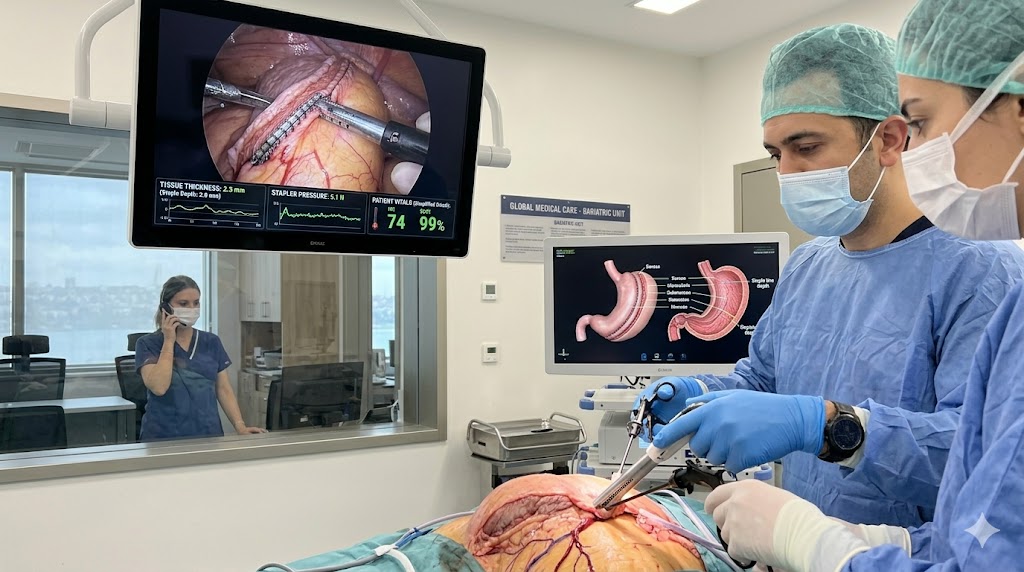
The level of discomfort is a major concern for those considering vertical sleeve gastroplasty (VSG). Understanding the recovery timeline can be helpful in de-mystifying the procedure. While the level of pain is subjective, it varies depending on the individual.
The answer is: Pain is usually most intense in the first 48 to 72 hours, but can be managed with medical protocols.
The Day of Surgery – Managing the Immediate Pain
You will not feel anything during the surgery because you are under anesthesia. You may feel two types of pain after you awaken.
- Pain at the Incision Site: The majority of gastric sleeve surgery is performed by laparoscopic means. You will be left with 4 or 5 smaller incisions instead of one larger opening. These will be sore, similar to a pulled-muscle feeling. However, they usually heal very quickly.
- Gas pain: This can be the most shocking part of your recovery. Carbon dioxide is used by surgeons to inflate your abdomen so they can see clearly what organs are inside. The residual gas in your abdomen can lead to pressure or “referred” pain in your shoulders.
Tip: Walking is the best way to relieve post-op pain from gas. Walking around on the hospital’s floor will help your body expel the gas faster than if you were to lie still.
The First Week: The Peak of Recovery
Patients usually feel “tender” on days 2-7. You may experience:
- Cramping in the abdomen: Your stomach will adjust to its smaller, new shape as well as begin to heal from internal staples.
- Muscular Pain: It can be painful to get out of bed, or sit up for the first couple days.
- Nausea It is normal for your body to experience nausea as it adjusts both to the anesthesia, and also a liquid-only diet.
Treatment of Pain: The surgical team may prescribe a combination IV pain medication in the hospital, and orally administered medications at home (such as liquid acetaminophen prescriptions that are non-NSAIDs).
Pain vs. Discomfort: The Difference
There are two types of discomfort: Lifestyle Discomfort and Surgical Pain.
- Incision pain: Internal soreness or stinging. Usually, this fades by the 10th day.
- Discomfort When Eating: You may experience a “fullness” or “chest-pressure” feeling if you consume too much or too quickly. Your new stomach is telling you that it has reached its limit.
Long-Term Pain: Is it Normal?
You should experience no pain after the first two-week period. Contact your surgeon immediately if you experience any of the following:
- A sharp, stabbing pain which does not go away when you rest.
- Redness or fever at the site of incision
- The inability to hold liquids down could be an indication of a stricture or blockage.
Tips for a Low-Pain Recovery
Follow these golden rules to keep pain at a minimum.
- Do not skip doses. Continue taking your pain medications as prescribed for the first three days even if it feels “ok.” is easier to prevent than it is to stop pain once it has started.
- Protect your core. Place a pillow on your stomach when you cough, sneeze or need to stand. It acts as a “splint” to reduce muscle tension.
- Take small, frequent sips, not a big gulp. This prevents painful stretching of your new stomach pouch.
Last Thoughts
The discomfort associated with a gastric band is only temporary, and most patients find it manageable. Most people are back in their regular routine within two to three weeks. They don’t have to do any heavy lifting and feel better.