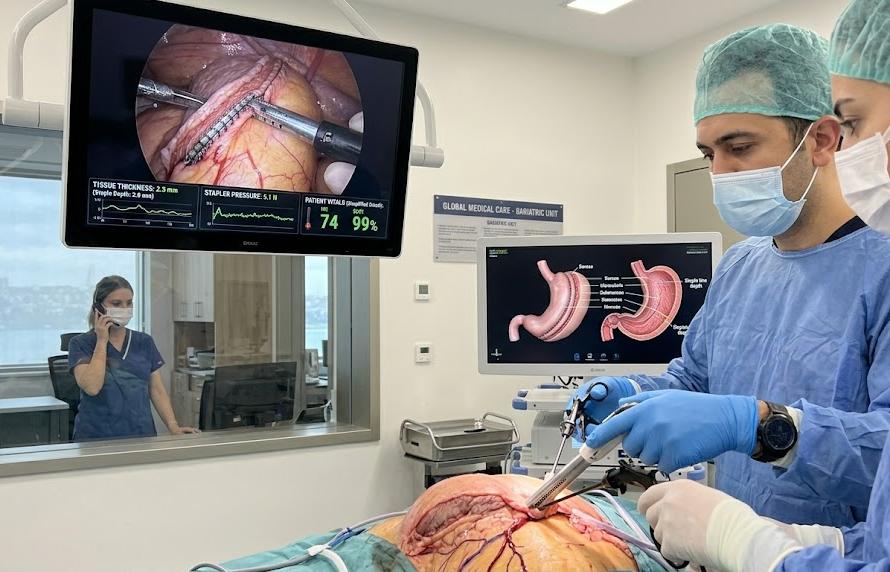
Vertical Sleeve Gastrectomy, also known as Gastric Sleeve has been one of the world’s most popular weight-loss surgeries. The most important question for anyone considering this procedure is not just how much weight they will lose, but also whether or not the weight loss will last.
Is the gastric band a permanent solution or a short-term fix? What to expect in terms of weight loss, the length of the procedure and “stretching”.
Is the Gastric Sleeve Permanent?
The gastric sleeves are permanent and irreversible. Unlike the band, which can be removed, or bypass, which can be reversed, the sleeve requires the removal of about 75 to 80%. The stomach portion that is removed cannot be replaced.
The term “permanent”, however, refers more to anatomical permanence than weight loss. It is true that the surgical restriction will last forever. However, its effectiveness relies on how well you adhere to your lifestyle.
Long-Term Weight Loss Success Rates
Long-term studies have shown that gastric sleeves are highly effective in achieving sustained weight loss. Patients can generally expect to experience the following results:
- After 1-2 years: The majority of patients will lose 60 to 70 percent of excess weight.
- Five Years After Surgery: Many patients continue to lose over 50 percent of their excess body weight.
- Ten+ Years After Surgery: Although some weight gain is common (5-10% of the initial point), most patients are still significantly healthier and lighter than before the surgery.
Does the Stomach “Stretch” Over Time?
One common fear is that your stomach will “return to its original dimensions.” It is a .
It is composed of muscle and can be expanded to take in food but will not return to the pre-surgery size. Weight gain is often due to the following:
- Gratissing: Consuming small quantities of high-calorie food throughout the day.
- Drinking liquid calories: Having drinks like milkshakes or sodas that do not make you feel full.
- Hormonal changes: Although the surgery removes part of the stomach which produces Ghrelin, the hunger hormone can gradually return over several year.
Key Factors for Lifelong Success
Focus on three key pillars to ensure that the benefits of a gastric sleeve are maintained and health is improved.
- 80/20 Rule: Prioritize nutrient dense proteins and vegetables at least 80% of time. Allow for treats occasionally to prevent “diet fatigue.”
- Make protein your priority: A high-protein diet helps you maintain muscle mass, and it keeps you fuller for longer. This is important when stomach space is limited.
- Hydration Avoiding drinking at meals and drinking water to prevent overeating.
When to Consider a Revision
Some cases of severe acid reflux or weight gain may prevent the gastric sleeve from providing the long-term benefits desired. In such cases, a bypass-to-sleeve conversion may be an option. It doesn’t necessarily mean that the sleeve has “failed”, but it does indicate that the patient needs a new metabolic tool to meet their evolving health requirements.
Conclusion:
Gastric sleeves are a tool that can be used for life. The surgical procedure is permanent but the weight loss will only last as long as you are committed to the new eating habits. The gastric sleeve, when combined with proper nutrition and follow-up treatment can lead to a life of better health and mobility.