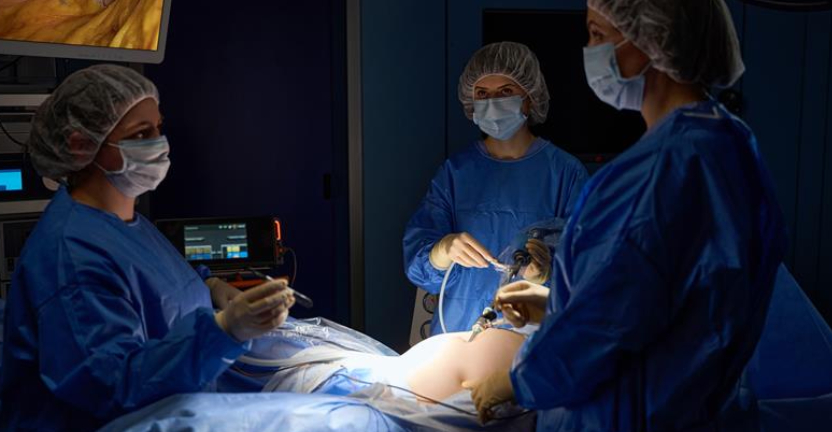
Recovering from bariatric surgery is about moving more, moving safely, and rebuilding physical capacity in a structured way. After a gastric sleeve in Turkey, exercise progression follows a carefully staged model that protects healing tissues while gradually improving cardiovascular fitness, muscle strength, and metabolic health.
Rather than jumping straight into high-intensity workouts, patients are guided through a predictable sequence of activity levels that align with their surgical recovery, energy levels, and medical stability after gastric sleeve surgery.
In leading bariatric centers, movement is treated as a therapeutic tool rather than an optional lifestyle add-on. Exercise intensity increases in phases, each designed to support healing, prevent complications, and build sustainable habits.
This process is closely supervised through medical follow-ups, physiotherapy guidance, and personalized doctor’s advisory rather than generic fitness programs. The goal is not speed or performance; it is steady, safe progression that integrates with nutrition, hydration, sleep, and overall recovery.
Why Gradual Progression Is Essential After Surgery
Exercise intensity cannot be increased abruptly after abdominal surgery. The stomach has been surgically reduced, internal tissues are healing, and the body is adapting to a new metabolic state. Sudden strenuous activity can strain muscles, raise intra-abdominal pressure, and slow recovery.
A gradual approach allows the cardiovascular system, muscles, and joints to adapt while minimizing risks such as dizziness, dehydration, or fatigue. It also supports fat loss while preserving lean muscle mass, which is crucial for long-term weight maintenance.
Doctors emphasize that post-surgical exercise is not about burning calories immediately. It is about restoring functional movement, improving circulation, and rebuilding endurance step by step.
Physiological Changes That Influence Exercise Progression
In the first weeks after surgery, patients consume significantly fewer calories and protein. This affects energy levels, muscle recovery, and exercise tolerance. The body is also shedding fluid, reducing inflammation, and stabilizing blood sugar levels.
Because of these changes, exercise intensity must align with nutritional intake and medical stability. Many bariatric programs in gastric sleeve in Turkey incorporate regular check-ins to adjust activity recommendations based on how the patient is healing and responding to physical activity.
Phase One: Early Mobilization (Week 1–2)
The first phase begins within hours of surgery. The focus is on gentle movement rather than structured exercise. Walking is the primary activity because it improves blood circulation, reduces the risk of blood clots, and supports lung function.
Patients are encouraged to walk short distances several times per day rather than attempting one long walk. Intensity is extremely low, just enough to get the body moving without strain.
At this stage, patients may also perform simple breathing exercises and light stretching while seated or lying down. These movements prevent stiffness, improve posture, and support recovery without stressing the abdomen.
How Walking Intensity Is Increased
During the first week, patients start with very short walks inside the hospital or at home. Each day, they are encouraged to walk slightly farther or for a few extra minutes, depending on comfort.
By the end of the second week, most patients can walk continuously for 15 to 20 minutes at a slow, steady pace. The increase in intensity comes from duration rather than speed.
Medical teams for gastric sleeve in Istanbul clinics monitor mobility and encourage patients to listen to their bodies rather than push through pain.
Phase Two: Low-Impact Cardio And Light Strength (Week 3–4)
Once incisions are healed and pain has decreased, exercise intensity begins to increase gently. Patients are introduced to low-impact cardio such as treadmill walking, stationary cycling, or elliptical training at a comfortable pace.
The key change in this phase is consistency. Instead of sporadic movement, patients aim for regular activity most days of the week. Intensity is still moderate, but duration gradually increases to 20–30 minutes per session.
Introducing Basic Strength Training
Light strength training may begin toward the end of week four, but only under medical guidance. Exercises focus on major muscle groups using body weight, resistance bands, or very light dumbbells.
The goal is not muscle building, it is muscle preservation. Strength training helps protect metabolism, improve posture, and support joint health as weight decreases after gastric sleeve surgery.
Doctors typically advise avoiding heavy lifting or core-intensive movements during this phase to protect healing tissues.
Phase Three: Moderate Intensity Training (Week 5–8)
By the second month, most patients can tolerate moderate-intensity exercise. This phase introduces more structured workouts, including brisk walking, longer cycling sessions, or low-impact aerobic classes.
Exercise duration often increases to 30–40 minutes per session, and patients may begin incorporating interval-style walking, alternating between slower and slightly faster paces.
At this stage, patients usually feel more energetic as their bodies adapt to reduced calorie intake and steady physical activity.
Progressive Strength Training
Strength training becomes more structured in this phase. Patients may use light gym machines or resistance training circuits that avoid heavy strain on the abdomen.
Typical exercises include leg presses, seated rows, shoulder presses with light resistance, and controlled squats. Core exercises are still limited and performed only with medical clearance.
Many programs for the gastric sleeve in Istanbul integrate supervised fitness sessions to ensure proper technique and safe progression.
Phase Four: Higher Intensity Conditioning (After 8–12 Weeks)
After two to three months, most patients are cleared for higher-intensity exercise depending on their recovery. This may include jogging, swimming, or more challenging cardio workouts.
Strength training intensity also increases, with heavier resistance and more advanced movements introduced gradually. Patients may work toward full-body strength routines two to three times per week.
At this stage, exercise becomes a long-term lifestyle habit rather than a recovery requirement.
Monitoring Heart Rate And Perceived Effort
Instead of focusing only on speed or weight, patients are taught to monitor their heart rate and perceived exertion. Many doctors recommend staying within a moderate intensity zone where breathing is elevated, but conversation is still possible. This approach helps prevent overtraining while maximizing cardiovascular benefits.
Role Of Nutrition In Exercise Progression
Exercise intensity cannot increase properly without adequate protein and hydration. Patients are advised to prioritize protein intake to support muscle repair and prevent excessive muscle loss.
Water consumption is equally important, especially during workouts, as dehydration can cause dizziness or fatigue. Bariatric dietitians work closely with patients to align meal timing with exercise schedules.
Medical Teams Guide Intensity Increases
In high-volume bariatric centers, exercise progression is not left to guesswork. Surgeons, physiotherapists, and dietitians collaborate to tailor recommendations based on each patient’s healing, weight loss rate, and fitness level.
The doctor’s advice plays a central role. Patients receive individualized activity plans rather than generic workout routines found online. These plans evolve based on follow-up assessments, blood tests, and physical recovery.
Common Mistakes That Slow Progress
Some patients increase intensity too quickly, leading to pain, fatigue, or injury. Others remain too sedentary due to fear or discomfort, which can slow recovery and weight loss.
Skipping strength training is another common mistake, as it can result in muscle loss and reduced metabolism. Balanced training is essential for long-term success after gastric sleeve surgery in Turkey.
Long-Term Exercise Strategy After Recovery
Beyond the initial recovery period, patients are encouraged to maintain a balanced routine that includes both cardio and strength training.
A typical long-term plan may involve:
– 150–300 minutes of moderate cardio per week
– 2–3 strength sessions weekly
– Daily walking or light movement
This approach supports sustainable weight loss, improved health, and better quality of life.
How Clinics Support Ongoing Fitness
Many bariatric programs offer structured follow-up sessions, online coaching, or group fitness guidance after gastric sleeve surgery. Patients are encouraged to stay engaged rather than treating the procedure as a one-time solution.
Regular medical reviews ensure that exercise intensity continues to align with overall health and nutritional status following gastric sleeve surgery. In addition, specialists may adjust activity plans based on weight loss progress, muscle retention, and recovery milestones.
Frequently Asked Questions
When Can I Start Exercising After Gastric Sleeve Surgery?
Most patients begin walking within hours of surgery and progress to structured exercise over several weeks under medical guidance.
How Fast Should Exercise Intensity Increase?
Intensity increases gradually over 8–12 weeks, focusing first on duration, then on speed and resistance as healing progresses.
Can I Lift Weights After Surgery?
Light strength training usually begins around week 4–6, with heavier lifting introduced only after medical clearance.
What If I Feel Too Tired To Exercise?
Fatigue is normal in early recovery; doctors may adjust activity levels, nutrition, or hydration rather than stopping exercise entirely.
Is Exercise Mandatory After Surgery?
While not legally mandatory, regular physical activity is strongly recommended by medical teams to support safe recovery, muscle preservation, and long-term success.