

Gastric sleeve surgery, also known as sleeve gastrectomy, has become one of the most commonly performed bariatric procedures worldwide. Turkey, especially Istanbul, has emerged as a leading destination for international patients seeking affordable, high-quality obesity treatments. However, one of the most sensitive and frequently asked questions by patients is about the death rate associated with gastric sleeve surgery in Turkey. In this article, we explore the real statistics, compare global outcomes, and offer a transparent look at what patients can expect.
Understanding Gastric Sleeve Surgery
What Is Gastric Sleeve Surgery?
Gastric sleeve surgery involves removing about 75–80% of the stomach, leaving a narrow tube or “sleeve.” This procedure reduces food intake and alters hunger hormones, leading to significant weight loss over time. It is performed laparoscopically and typically requires a short hospital stay and recovery period.
Why Do Patients Choose Turkey?
Affordable pricing compared to the US, UK, or EU
Board-certified and internationally trained surgeons
State-of-the-art hospitals with JCI and ISO accreditations
All-inclusive medical travel packages
Short waiting times
What Is the Gastric Sleeve Surgery Death Rate?
Global Perspective on Mortality
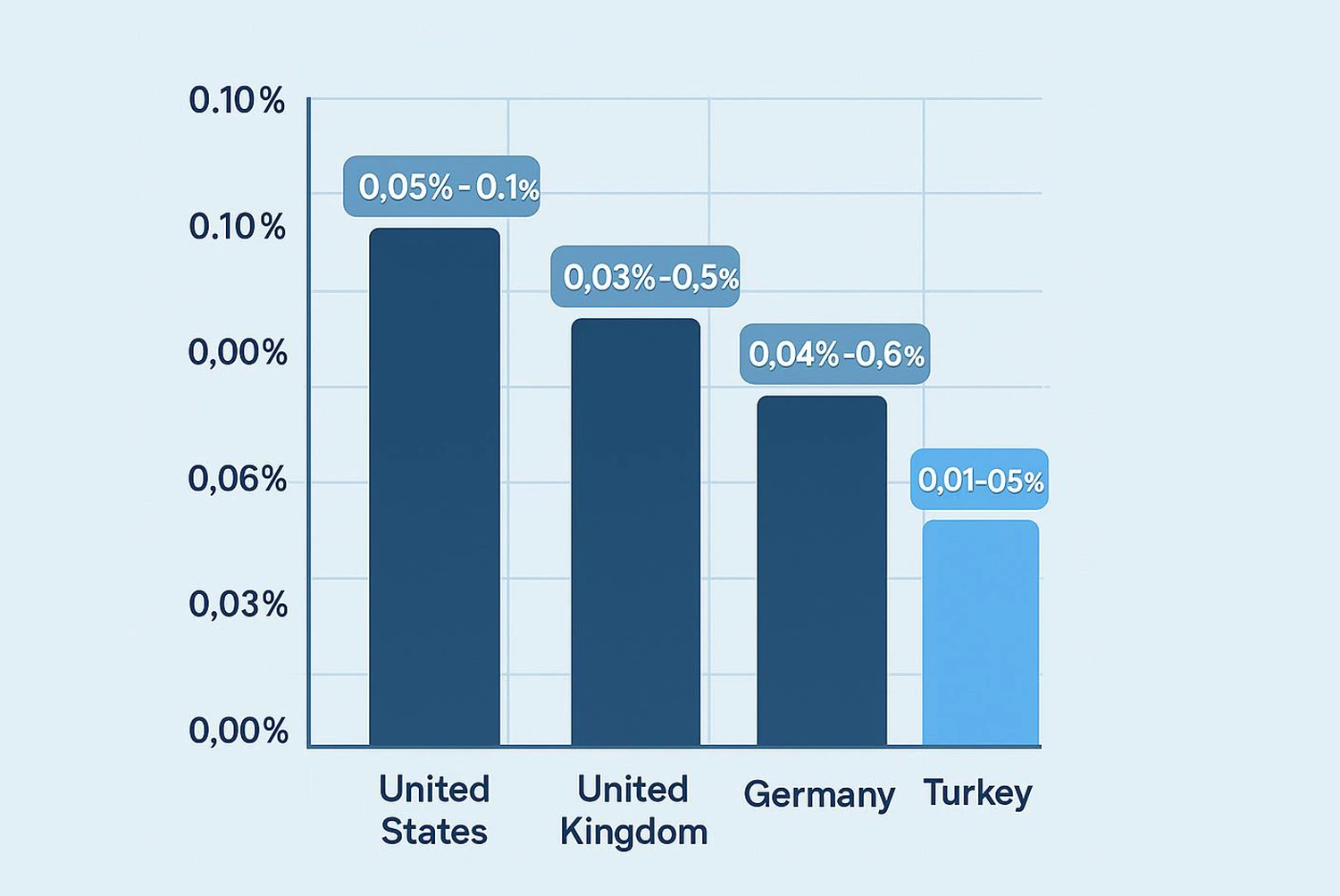
The mortality rate for gastric sleeve surgery worldwide is considered very low, typically ranging between 0.03% and 0.1% according to major studies and meta-analyses published in medical literature. This means that for every 10,000 patients, 3 to 10 may experience life-threatening complications, often related to existing health conditions.
Gastric Sleeve Death Rate in Turkey
In Turkey, the death rate for gastric sleeve surgery is well below global averages when performed by experienced bariatric surgeons in accredited hospitals. The estimated mortality rate is around:
➡ 0.01% to 0.05% (1 to 5 in every 10,000 patients)
This low risk is a result of:
Rigorous pre-operative evaluation
Advanced surgical technology
Highly experienced bariatric teams
Close post-operative monitoring
High patient selection standards (only suitable candidates are approved)
Key Factors That Influence Mortality Risk
Even though the death rate is very low, it’s important to understand the factors that can increase surgical risk:
1. Pre-existing Health Conditions
Patients with uncontrolled diabetes, heart disease, or severe sleep apnea may face higher risks if not properly managed before surgery.
2. BMI Over 60
Super morbid obesity (BMI >60) increases the technical difficulty of surgery and may raise the risk of complications.
3. Surgeon Experience
Outcomes are significantly better when surgery is performed by high-volume, board-certified bariatric surgeons.
4. Hospital Infrastructure
Facilities that are not equipped to handle post-operative care or emergencies can contribute to increased risks.
5. Post-Surgery Compliance
Poor adherence to post-op diet and medical instructions may lead to complications such as leaks or infections.
How Turkey Minimizes the Risk
Pre-Operative Screening
Patients undergo a comprehensive evaluation before surgery including blood tests, cardiac check-ups, chest imaging, and anesthesia clearance.
International Standards
Many Turkish hospitals maintain international accreditations and follow enhanced recovery protocols similar to those in Europe and the US.
Surgeon Expertise
Top bariatric surgeons in Turkey typically have:
Over 1,000 sleeve surgeries performed
10+ years of surgical experience
International training and publications
Post-Operative Care and Follow-Up
Most clinics offer a structured follow-up program including:
24/7 medical support after discharge
Dietitian guidance for the first 12 months
Routine health checks via video consultations
Comparing Gastric Sleeve Death Rates: Turkey vs. Other Countries
| Country | Estimated Death Rate | Source / Notes |
|---|---|---|
| United States | 0.05% – 0.1% | ASMBS, Mayo Clinic |
| United Kingdom | 0.03% – 0.05% | NHS Data |
| Germany | 0.04% – 0.06% | German Bariatric Registry |
| Turkey | 0.01% – 0.05% | Private hospital data, international review |
Is Gastric Sleeve Surgery Safe in Turkey?
Yes — when performed in a reputable, accredited hospital by a skilled surgeon, gastric sleeve surgery in Turkey is just as safe as in Western countries. In fact, many international patients report excellent results with even better aftercare than in their home country.
However, like with any surgery, choosing the right medical provider is crucial. Patients are encouraged to:
Ask about the surgeon’s experience and credentials
Confirm the hospital’s accreditation
Review success rates and patient testimonials
Understand the full scope of post-operative care
How to Ensure a Safe Experience
Here are a few tips for minimizing your risks and improving outcomes:
Be honest during medical evaluation
Follow the pre-op diet and instructions
Do not skip the recommended tests (e.g., endoscopy, cardiac exam)
Maintain close communication with your medical team after surgery
Avoid clinics with unclear pricing or no post-op follow-up
Final Thoughts
The death rate for gastric sleeve surgery in Turkey is extremely low and comparable to — if not lower than — many Western nations. With the right preparation, experienced professionals, and proper patient care, the procedure is both safe and effective for long-term weight loss.
Turkey’s success in bariatric surgery comes from a combination of expertise, advanced hospital standards, and holistic post-operative care — making it a globally trusted destination for medical travelers.
Frequently Asked Questions (FAQs)
Is gastric sleeve surgery risky?
Every surgery has risks, but gastric sleeve has one of the lowest mortality rates among major procedures, especially when done by an experienced team.
What is the most common complication?
The most serious (but rare) complication is staple line leak, which occurs in less than 1% of patients globally.
How do Turkish hospitals ensure safety?
Turkish clinics screen patients thoroughly, use international protocols, and offer 24/7 post-op care.
Should I be worried about the death rate?
Statistically, the death rate is extremely low — lower than gallbladder surgery or hip replacement — when proper medical standards are followed.

