

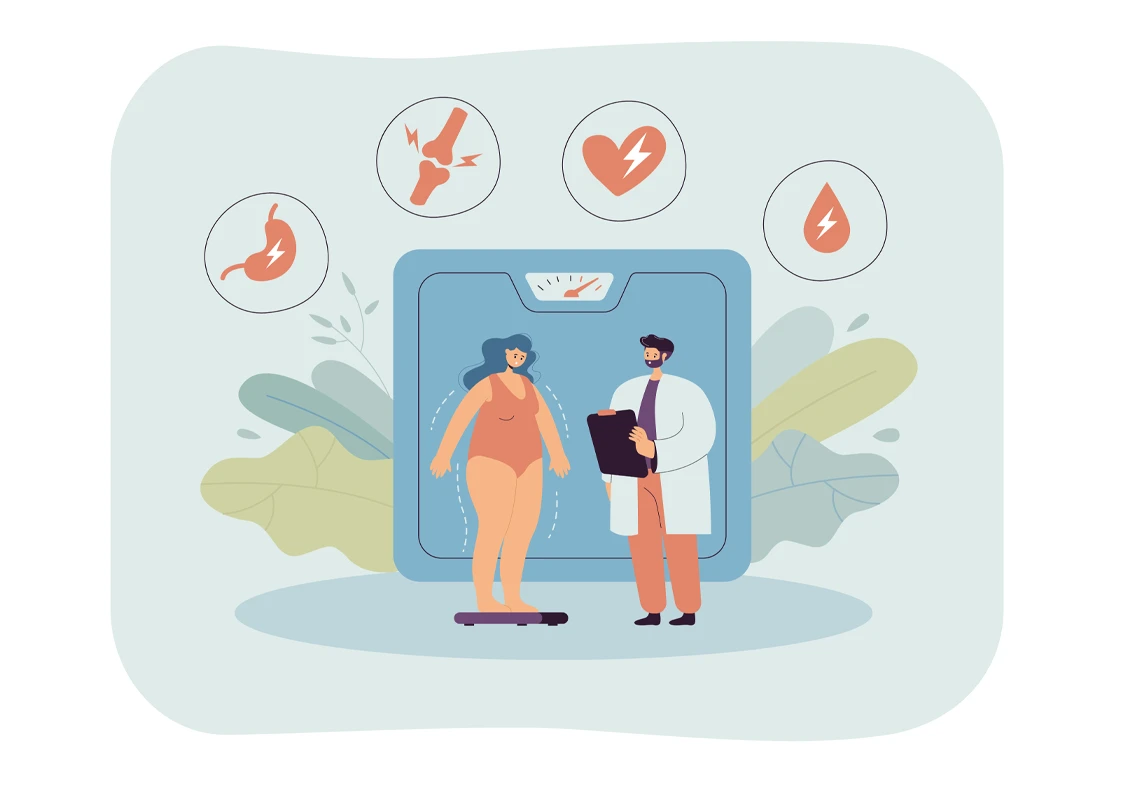
Bariatric surgery is a life-saving solution for many struggling with severe obesity. On this page, you’ll find everything you need to know about the procedures, benefits, eligibility, and long-term success—backed by medical research and global clinical practice. These surgical options are not cosmetic; they are medically necessary for many and have been shown to reduce the risk of numerous obesity-related conditions, including diabetes, heart disease, and sleep apnea.

Overview
What Is Bariatric Surgery?
Bariatric surgery involves altering the digestive system to reduce the amount of food a person can consume or absorb. The most common procedures include gastric sleeve, gastric bypass, adjustable gastric band, and biliopancreatic diversion with duodenal switch (BPD-DS). These procedures either restrict food intake, reduce nutrient absorption, or both.
Unlike dieting alone, bariatric surgery changes the hormonal balance that controls hunger and satiety. This helps patients not only lose weight but also maintain it long-term, which is particularly important for those with class III obesity.
Why Is Bariatric Surgery Performed?
Bariatric surgery is often the most effective long-term treatment for individuals with severe obesity, especially when traditional methods like diet and exercise have failed. According to numerous studies, it can significantly reduce the risk of premature death and improve the quality of life for patients struggling with obesity-related illnesses.
Conditions Treated by Bariatric Surgery
Bariatric surgery can help manage or even resolve many chronic health issues associated with obesity:
Type 2 diabetes
High blood pressure (hypertension)
High cholesterol (hyperlipidemia)
Obstructive sleep apnea
Heart disease
Non-alcoholic fatty liver disease (NAFLD)
Osteoarthritis
Certain types of cancer
Procedure Details
Who Qualifies for Bariatric Surgery?
To be considered for bariatric surgery, patients generally meet the following criteria:
BMI of 40 or higher
BMI of 35 or higher with one or more obesity-related health conditions
Inability to achieve long-term weight loss through non-surgical methods
Candidates typically undergo a thorough evaluation, including nutritional, psychological, and physical assessments, to ensure they are prepared for surgery and the lifestyle changes that follow.
Common Myths About Bariatric Surgery
“It’s the easy way out.” In reality, bariatric surgery requires lifelong commitment to diet and behavior changes.
“Surgery is a last resort.” For many, it’s a medically necessary step that provides the only path to sustainable weight loss and health improvement.
Preparing for Surgery
Preparation for bariatric surgery includes:
Medical screening tests
Mental health evaluations
Dietitian consultations
Lifestyle counseling
Smoking and alcohol cessation
Following a low-calorie, pre-operative diet
These steps help reduce surgical risks and improve post-operative outcomes.
How Bariatric Surgery Works
Minimally Invasive Techniques
Most weight loss surgeries today are performed laparoscopically. This means smaller incisions, less scarring, and faster recovery compared to traditional open surgery. In some cases, robotic-assisted techniques may also be used to increase precision.
Types of Bariatric Procedures
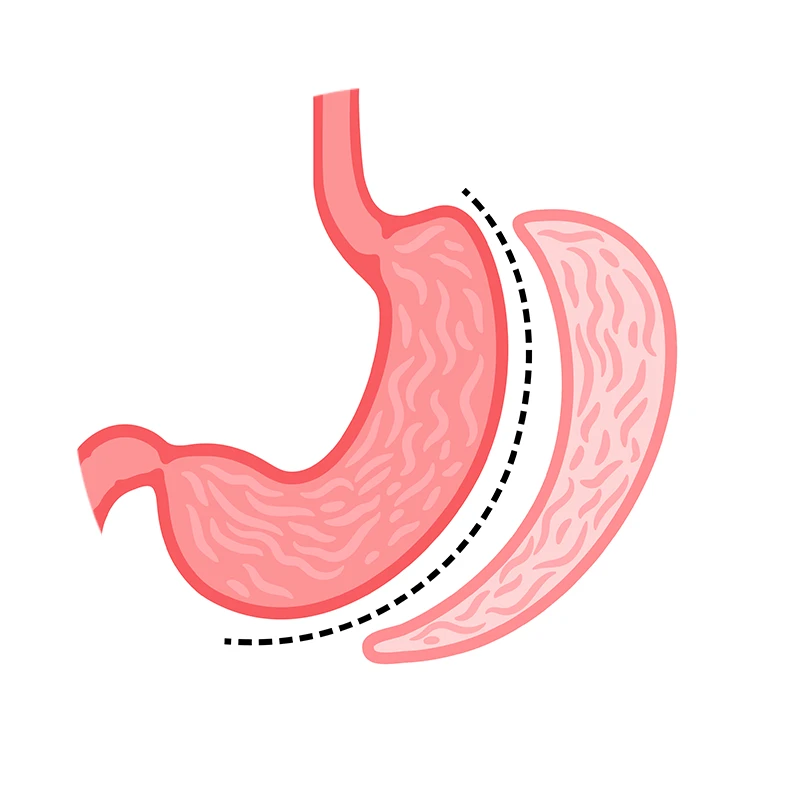
Gastric Sleeve (Sleeve Gastrectomy)
The gastric sleeve, or sleeve gastrectomy, is currently the most commonly performed bariatric procedure worldwide. During the operation, about 80% of the stomach is removed, creating a sleeve-like structure. This significantly reduces appetite and limits the amount of food consumed. It also lowers the production of hunger hormones.
👉 Learn more about the Gastric Sleeve in Turkey
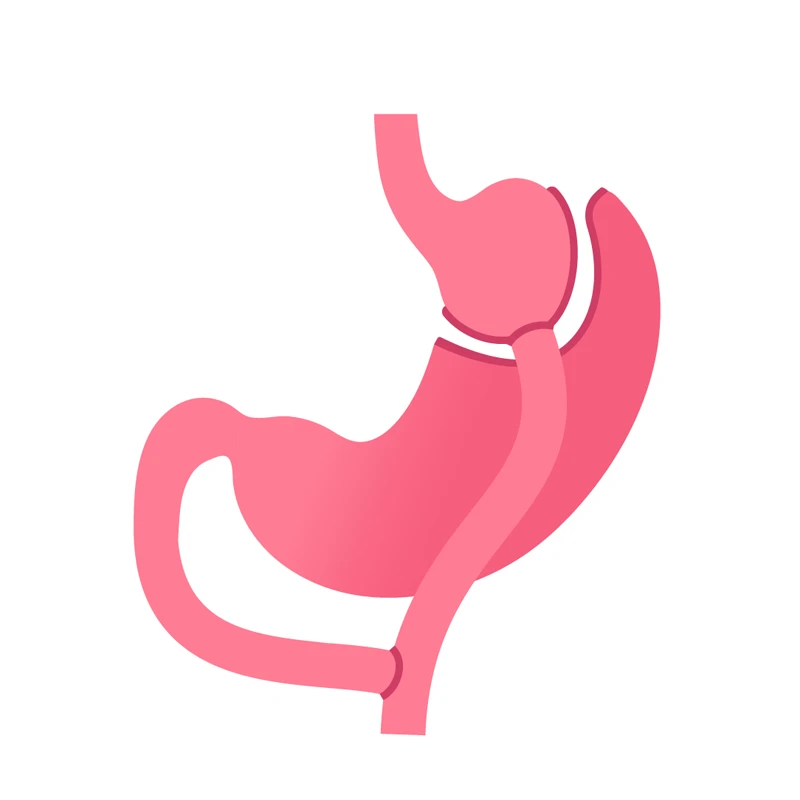
Gastric Bypass (Roux-en-Y)
This procedure involves creating a small stomach pouch and rerouting the small intestine to bypass a portion of the digestive tract. The gastric bypass limits both food intake and nutrient absorption, making it one of the most effective options for long-term weight loss.
👉 Discover more on Gastric Bypass in Turkey
Other Procedures
Duodenal Switch (BPD-DS): Combines sleeve gastrectomy with a significant intestinal bypass. High weight loss potential but requires close nutritional follow-up.
SADI-S: A less invasive modification of the duodenal switch, reducing risk while maintaining effectiveness.
Adjustable Gastric Band: A silicone band is placed around the upper part of the stomach, creating a small pouch. Although less commonly used today, it can be an option for selected patients.
Recovery and Long-Term Outlook
Postoperative Care
After surgery, most patients stay in the hospital for 1–3 days. Initial recovery involves:
Pain management
Gradual reintroduction of liquids and soft foods
Wound care and mobility support
Patients usually resume light activity within 1–2 weeks and return to normal routines within 4–6 weeks.
Lifestyle Changes
Long-term success depends on:
Adhering to a high-protein, low-sugar diet
Taking prescribed vitamin and mineral supplements
Staying physically active
Attending regular follow-up visits with healthcare providers
Expected Results
Most patients lose 50–80% of their excess weight within 12 to 24 months. Success is measured not only by pounds lost but also by improvements in metabolic health, mobility, and overall well-being.
Risks and Benefits
Risks of Bariatric Surgery
As with any major surgery, there are potential complications:
Bleeding
Infection
Blood clots
Nutrient deficiencies
Dumping syndrome
Gallstones
Bile reflux
These risks are relatively low in experienced surgical centers and are outweighed by the benefits for most patients.
Benefits
Significant and sustained weight loss
Improvement or resolution of chronic diseases
Enhanced energy and quality of life
Reduced risk of early mortality
Frequently Asked Questions
How much weight will I lose after bariatric surgery?
Most patients lose 50–80% of their excess body weight within 12–24 months.Is bariatric surgery reversible?
Some procedures, like gastric banding, are reversible. Others, such as gastric sleeve and bypass, are not.Will I need plastic surgery after weight loss?
Some patients may opt for body contouring surgery to remove excess skin. This is usually considered 12–18 months after surgery.How soon can I return to work?
Most people return to work within 2–3 weeks, depending on the type of surgery and the nature of their job.Is bariatric surgery performed internationally?
Yes, many countries offer bariatric surgery. If you’re considering traveling for surgery, ensure the clinic provides accredited care, experienced surgeons, and robust aftercare support.What should I know about bariatric surgery in Istanbul?
Istanbul is home to several internationally accredited clinics offering affordable and high-quality bariatric procedures with English-speaking staff and comprehensive packages.Is Turkey a safe destination for weight loss surgery?
Yes, Turkey is a popular and safe destination for medical tourism, including bariatric surgery. Many clinics offer advanced technology and skilled professionals.How does bariatric surgery in Turkey compare to the USA or UK?
Bariatric surgery in Turkey is often more affordable, with shorter wait times and all-inclusive packages that make it convenient for international patients.Will I continue to lose weight long-term after surgery?
Long-term weight loss depends on the type of surgery and your lifestyle habits. With proper follow-up and commitment, most patients maintain significant weight loss for years.
Final Thoughts
Bariatric surgery is a proven and powerful tool for those struggling with severe obesity. It offers not just weight loss, but a chance to reclaim your health, mobility, and quality of life. While it’s not a quick fix, it is a life-changing intervention when paired with ongoing commitment and care.
For patients seeking options beyond their home country, reputable international centers—such as those in Istanbul—can offer high-quality care, affordability, and personalized support. Always choose accredited providers who prioritize long-term outcomes and patient safety.


